
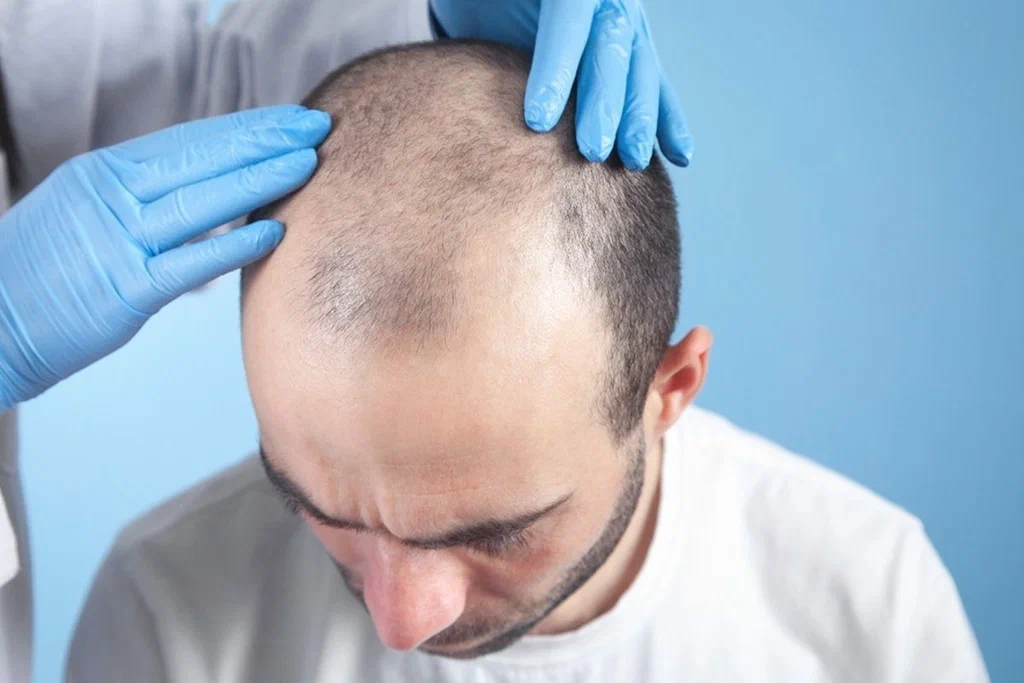
The lines between skincare and haircare have never been more blurred. As dermatology evolves, many ingredients originally developed for anti-ageing serums and facial treatments are now emerging as powerful tools for improving scalp health and stimulating hair growth. From retinoids to peptides to antioxidants, the question gaining attention among researchers and consumers is simple yet fascinating: can anti-ageing skincare ingredients really boost hair growth?
Science suggests that they can, when used correctly, in the right concentration, and under the right conditions. Hair follicles, much like skin cells, age over time. They lose collagen, suffer from oxidative stress, experience reduced cell turnover, and become more vulnerable to hormonal and inflammatory damage. The same compounds that rejuvenate facial skin may also be capable of reversing or slowing the ageing processes in hair follicles.
This conversation is becoming increasingly relevant as more individuals exploring advanced cosmetic treatments or considering the leading hair transplant in Mumbai are simultaneously looking for non-surgical ways to support long-term scalp health and maintain strong hair density.
This article offers a research-backed examination of how anti-ageing ingredients can impact hair growth, scalp biology, and long-term follicle health.
Skin and Hair Share a Biological Connection
Although skin and hair are treated as separate beauty categories, biologically, they are deeply connected. Hair follicles sit embedded within the skin’s dermal layer, surrounded by cells, collagen, blood vessels, and immune components. Anything that improves the health of the skin environment also improves the foundation in which hair follicles exist.
Many age-related changes in the skin also appear in the scalp:
- Decline in collagen levels
- Loss of elasticity
- Reduced microcirculation
- Slower cell renewal
- Increased oxidative stress
- Chronic low-grade inflammation
- Thinner, weaker tissues supporting hair follicles
These changes directly impact follicle behaviour, hair density, and growth speed.
Therefore, anti-ageing ingredients, originally designed to treat wrinkles, pigmentation, fine lines, or skin texture, can also improve the structural and biochemical environment around hair follicles.
Retinoids – Increasing Cell Turnover and Enhancing Absorption
Retinoids (vitamin A derivatives) are among the most powerful anti-ageing skincare ingredients. In facial skincare, they increase cell turnover, boost collagen, and improve texture. But their impact on the scalp may be even more important.
Retinoids improve the scalp environment by:
- Removing dead skin buildup
- Enhancing absorption of hair growth topicals like minoxidil
- Increasing cellular activity around follicles
- Supporting collagen production
- Stimulating healthier scalp renewal
Research shows that retinoids can enhance the effectiveness of minoxidil when used together, making them a unique addition to hair growth regimens.
However, retinoids can be irritating if used incorrectly. They must be used under medical supervision, especially for individuals with sensitive scalps.
Peptides: Signalling Molecules That Rejuvenate Follicles
Peptides are some of the most promising anti-ageing ingredients being studied for hair growth. These chains of amino acids act as messengers, sending signals to cells to produce more collagen, repair damage, or stimulate growth.
Certain peptides have been shown to:
- Strengthen hair follicles
- Improve blood circulation
- Reduce miniaturization
- Boost growth factors
- Increase hair diameter
Copper peptides, in particular, have gained attention for their anti-inflammatory and follicle-stimulating properties.
Their ability to reduce oxidative stress, a major contributor to hair thinning, makes them highly relevant in both skincare and scalp care applications.
Hyaluronic Acid – Hydration That Supports Growth
Hyaluronic acid holds water and keeps the skin hydrated. When used on the scalp, it:
- Improves moisture levels
- Reduces dryness and flakiness
- Maintains a healthy environment around follicles
- Reduces irritation from other topicals
While hyaluronic acid doesn’t directly stimulate hair growth, it creates the ideal supportive environment for growth serums, peptides, and minoxidil to perform better.
Antioxidants – Protecting Follicles From Ageing and Environmental Damage
Oxidative stress is a major driver of both skin ageing and hair loss. Pollution, UV radiation, and lifestyle factors contribute to free radical damage that weakens follicles.
Key antioxidants used in skincare, such as vitamin C, niacinamide, green tea extract, and resveratrol, help neutralise free radicals. Their benefits for the scalp include:
- Reduced inflammation
- Improved scalp circulation
- Protection from UV damage
- Better collagen support
- Lower risk of follicle miniaturisation
Niacinamide, for example, has shown benefits in strengthening the scalp barrier while also improving hair volume in some studies.
Collagen-Boosting Ingredients – Strengthening the Foundation of Hair Follicles
As skin ages, collagen breakdown accelerates. This impacts the dermal layer that houses and supports hair follicles. Ingredients that stimulate collagen, such as retinoids, peptides, vitamin C, and glycolic acid, help maintain a stronger foundation for follicle stability.
Improved collagen structure ensures:
- Firmer support for follicles
- Better anchoring of hair shafts
- Reduced shedding
- Healthier regrowth cycles
This is especially helpful for age-related thinning.
Glycolic Acid and AHAs – Scalp Exfoliation and Follicle Renewal
Alpha hydroxy acids (AHAs), popular in skincare for resurfacing and brightening, also offer significant scalp benefits. Glycolic acid, in particular, helps:
- Remove dead skin buildup
- Clear clogged follicles
- Reduce dandruff
- Support better absorption of hair serums
- Balance oil levels
By gently exfoliating the scalp, AHAs allow follicles to function without interference. They can be especially helpful for individuals with oily scalps, product buildup, or flakiness.
Can Anti-Ageing Ingredients Alone Reverse Hair Loss?
While they contribute significantly to follicle health, anti-ageing ingredients cannot reverse genetic hair loss on their own. Androgenetic alopecia (male and female pattern baldness) is driven primarily by:
- Genetics
- DHT sensitivity
- Hormonal imbalance
- Inflammation
- Follicle miniaturization
Skincare ingredients help strengthen the environment, reduce inflammation, and enhance absorption of medical treatments, but they are not standalone hair loss cures.
This is why many individuals combine anti-ageing scalp treatments with clinically-proven solutions like minoxidil, finasteride, PRP, or GFC therapy.
Some patients who begin scalp care early can delay more advanced thinning. Others who already have significant miniaturisation often explore medical options through clinics such as Bloom Hair Transplant, which specialises in science-backed solutions.
When Is It Time to Look Beyond Topicals?
If hair thinning continues despite using high-quality anti-ageing scalp products, or if the hairline continues to recede, it may be a sign that internal or genetic factors are dominant.
Signs that topicals are no longer enough include:
- Visible scalp through hair
- Persistent widening of the part
- Receding hairline
- Thinning crown
- Reduced hair volume despite treatment
- Miniaturised, wispy strands replacing thick ones
At this stage, more advanced treatment options may be required.
This is when many individuals consider options like the hair health physicians or clinics, where experienced surgeons assess whether surgical restoration or a combination therapy approach is ideal.
The Future of Hair Growth Lies in Skin-Hair Science
The integration of skincare and hair restoration science is transforming how dermatologists treat hair loss. As research expands, ingredients originally meant for wrinkles and pigmentation are being studied for their ability to improve scalp biology.
Future therapies may combine:
- Anti-ageing peptides
- Stem cell activators
- Controlled exfoliation
- Regenerative medicine
- Targeted growth factor delivery
This new “skinification” of the scalp is becoming a critical part of personalised hair restoration programs.
What This Means for Your Hair
Anti-ageing skincare ingredients are no longer limited to the face, they are emerging as powerful allies in maintaining healthy hair, improving scalp function, and slowing age-related thinning. While they cannot single-handedly cure genetic hair loss, they support follicle longevity, improve topical absorption, reduce inflammation, and create an environment where hair can grow more effectively.
For those in the early stages of thinning, incorporating these ingredients can make a noticeable difference. For more advanced hair loss, combining scalp-focused care with medical therapies or surgical restoration provides the best long-term results.
