
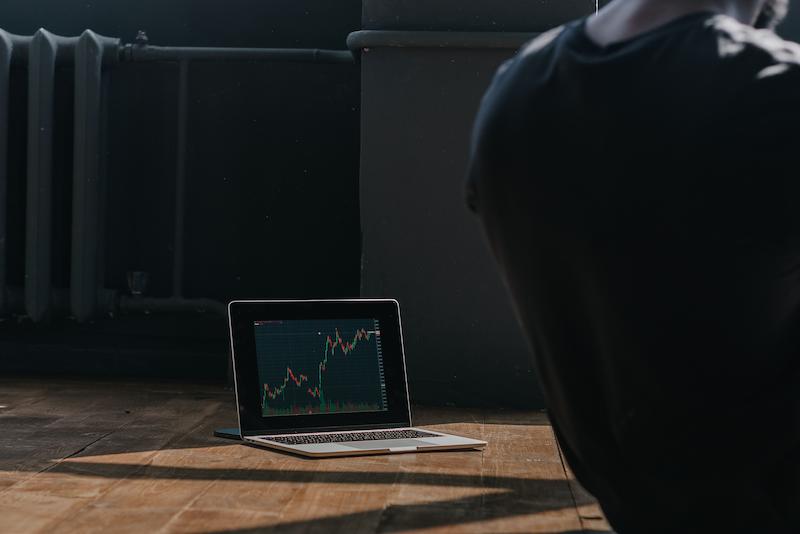
Morning preparation separates deliberate investors from reactive ones. Before placing an order, it helps to understand what global markets did overnight and why. The long-running INDEXDJX DJI is among the most quoted indicators of large-company sentiment in the developed world, and its direction frequently colours expectations for emerging markets. Many Indian traders also glance at the KOSPI, since Asian peers trade in overlapping hours and offer early clues about demand for chips, electronics and industrial goods. Together, these readings form one part of a sensible pre-market checklist.
Building a Simple Pre-Market Routine
A good routine does not need to be long. Start with the overnight performance of major global indices, then proceed to commodity prices (particularly crude oil, since India buys most of its energy requirements), the rupee’s direction vis-á-vis the dollar and finally Indian government bonds’ yield movement. Lastly, scan for corporate announcements and results slated for the day.
Spending ten to fifteen minutes on this sequence provides context without getting you bogged down. The aim is not to predict the market but to understand the environment in which you will be operating. A trader who knows that crude just jumped sharply, for example, will be extra careful when dealing with oil marketing companies, airlines and paint manufacturers.
Separating Signal From Noise
Not every overnight move requires a response. A one per cent move in a foreign index may sound sensational but the impact on a diversified Indian portfolio may be muted. The question is whether the move reflects a change in outlook (say, on interest rates) or is simply a case of booking profits.
Look at breadth as well as headline numbers. If only a few heavyweights drove an index higher while most constituents fell, the enthusiasm may not be justified. Similarly, examine whether volumes were thin on the day because big moves on light volumes tend to be less reliable.
Matching Signals to Your Own Holdings
Global cues will impact different portfolios in different ways. Information technology companies, which earn a large chunk of revenues abroad, will be influenced by overseas trends and currency moves. Pharmaceutical exporters will watch out for regulatory approvals and pricing trends while domestic-focused businesses like cement, fast-moving consumer goods and regional banks will be more affected by monsoon trends, rural demand and local policy developments.
Link each holding to its major influencers. When overseas signals come in, it becomes easier to decide if they are relevant. This simple step eliminates the common risk of selling off a quality domestic business because a distant index had a bad day.
Managing Risk Around Uncertain Opens
Even with the best preparation, some mornings will be unpredictable. Placing limit orders instead of market orders protects you against wild swings on volatile opens while setting up stop-loss levels in advance takes emotion out of the equation when it comes to managing individual positions. A third discipline here is position sizing – since the risk on any one trade should be only a small percentage of the overall portfolio, a wrong call will not finish you off. No less important is the discipline of maintaining a trading journal to chronicle what you saw, did and learned on any given day. After a few months you will spot patterns – say, you tend to overreact to certain kinds of news or that the best trades come on days when you decide to wait and watch for thirty minutes after the opening bell.
Preparation does not ensure profits but it definitely improves the odds. By looking at overseas developments through the eyes of an Indian investor and understanding the implications for one’s own portfolio, one can eliminate guesswork and concentrate on making disciplined decisions. After all, markets are best left to trade on their own. What we can control is our reaction to their unpredictability.
