
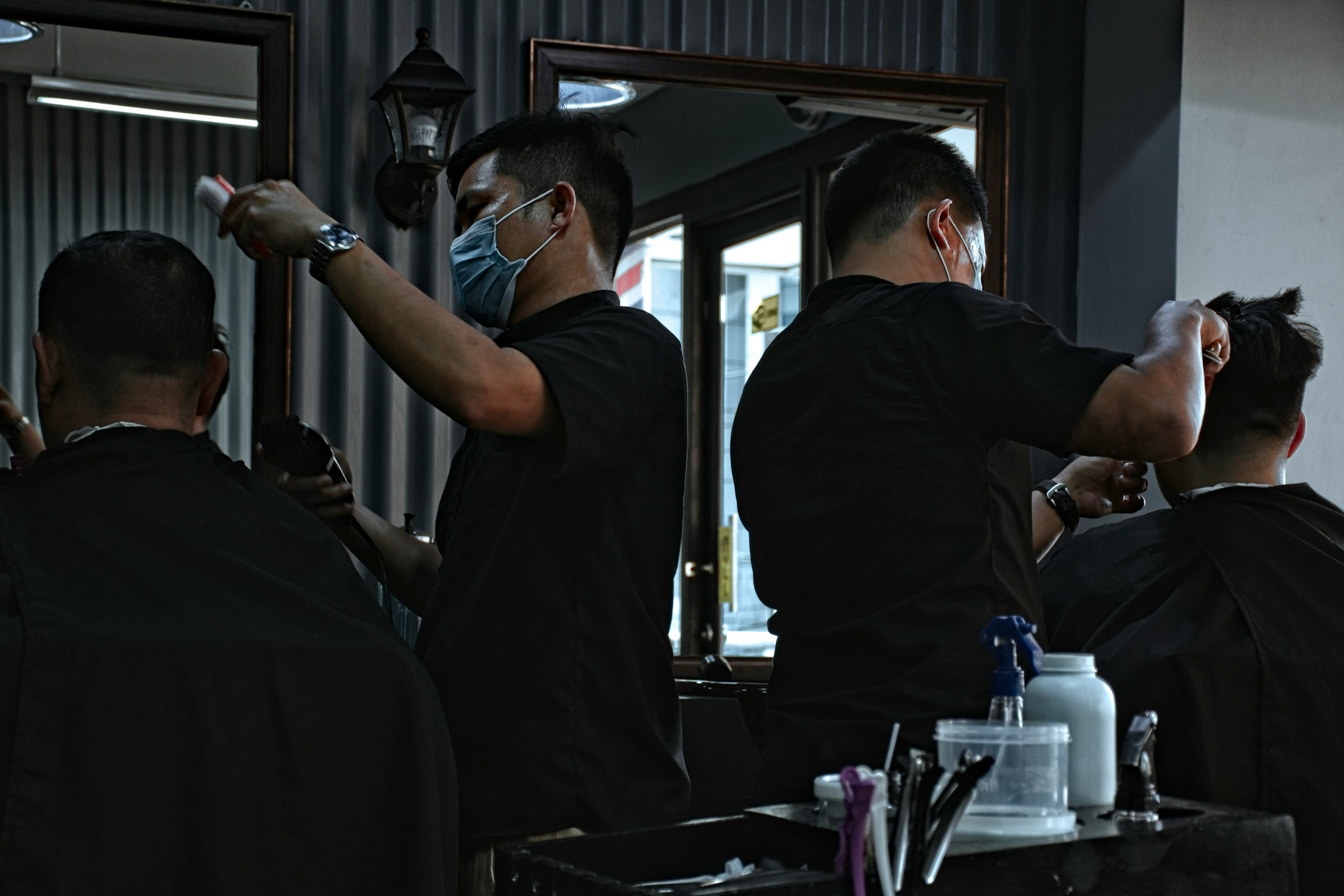
City life offers opportunity, energy, and constant momentum. From demanding work schedules to active social calendars, urban living keeps people moving at a fast pace. While this lifestyle can be exciting, it also brings subtle challenges that often show up in unexpected ways, including changes in hair health. Over time, exposure to stress, pollution, and irregular routines can influence how hair looks, feels, and grows.
In metropolitan environments like Mumbai, awareness around these changes has grown steadily. People are no longer surprised when hair thinning or hair fall becomes part of the conversation. Instead, many explore long-term options such as hair transplant in Mumbai after realising that everyday habits and environmental factors have quietly taken a toll over the years.
How Daily City Stress Reflects on Hair
Stress is an unavoidable part of urban life. Deadlines, commuting, screen exposure, and limited downtime all contribute to physical and mental fatigue. Hair often becomes one of the first visible indicators of prolonged stress.
When stress becomes a constant, the body prioritises essential functions, and hair growth may take a back seat. This can lead to increased shedding, slower regrowth, or gradual thinning. When such patterns persist despite lifestyle adjustments, people begin to look at more permanent solutions like Bloom Hair Transplant in Mumbai, not out of urgency, but out of a desire for stability and long-term reassurance.
Pollution and Its Long-Term Impact
Air pollution is an often-overlooked factor in hair health. Dust, smoke, and particulate matter settle on the scalp daily, affecting cleanliness and comfort even with regular washing. Over time, this buildup can contribute to dryness, irritation, and weakened hair strands.
While these effects may not be immediately dramatic, they accumulate gradually. Many people only recognise the impact years later, when hair no longer feels as dense or resilient as it once did.
Irregular Routines and Hair Balance
Urban schedules rarely follow a predictable pattern. Late nights, skipped meals, and inconsistent sleep cycles are common. These irregularities disrupt the body’s natural rhythm, which in turn affects hair growth cycles.
Hair thrives on consistency. When routines fluctuate constantly, hair often responds by becoming brittle, dull, or prone to breakage. This slow shift can make hair loss feel sudden, even though the causes have been building quietly over time.
The Psychological Side of Hair Changes
Hair changes are not just physical. They affect how people feel about themselves. Many individuals do not consciously think about their hair until it starts changing. Once noticed, however, it can become a persistent thought.
People may begin adjusting hairstyles, avoiding certain lighting, or feeling less confident in social situations. This internal dialogue often drives the search for clarity rather than immediate action.
Why Awareness Has Increased in Cities
Urban populations are exposed to more information than ever before. Conversations around grooming, wellness, and self-care are common, both online and offline. This exposure has made people more aware of available options and more open to discussing them.
Rather than viewing hair loss as something to endure quietly, people now see it as something they can address thoughtfully. This shift in awareness has changed how hair restoration is perceived across cities.
Moving Away from Temporary Fixes
For many years, people relied heavily on short-term solutions to manage hair concerns. While these approaches may offer temporary comfort, they rarely address long-term changes.
Urban individuals, especially professionals, increasingly prefer solutions that reduce ongoing worry. This preference explains why people often wait before taking action, choosing to move forward only when they feel informed and ready.
The Importance of Timing in Decision-Making
Hair restoration decisions are closely tied to timing. People often choose to act during periods of stability, when they feel emotionally and financially comfortable. This timing allows decisions to be made calmly rather than reactively.
When the decision aligns with readiness, outcomes tend to feel more satisfying. Hair restoration becomes a deliberate step rather than a rushed response.
Changing Perceptions Around Hair Restoration
Hair restoration is no longer surrounded by secrecy. Open conversations and shared experiences have normalised the idea that addressing hair concerns is a valid form of self-care.
In cities like Mumbai, where appearance and confidence often intersect with professional life, this acceptance has grown quickly. People feel less hesitant to explore options and more confident in asking questions.
Hair Confidence in a Social World
Social interaction is a constant part of city living. From work meetings to social gatherings, people are often in the public eye. Feeling comfortable with one’s appearance can influence how confidently one engages in these spaces.
Hair restoration, for many, is not about standing out. It is about feeling at ease. When hair no longer feels like a concern, attention shifts outward, toward relationships, work, and experiences.
Life After Addressing Hair Concerns
Those who choose to address hair loss often describe a sense of mental relief. The constant awareness of thinning or receding areas fades into the background. Hair becomes just another part of daily life again.
This change highlights an important truth. Hair restoration is as much about peace of mind as it is about appearance. When the concern is resolved, confidence returns quietly.
Mumbai as a Hub for Informed Choices
Mumbai’s diversity and pace have made it a centre for informed decision-making. People here are accustomed to comparing options, asking questions, and prioritising quality.
This environment encourages thoughtful choices rather than impulsive ones. Individuals take time to understand what feels right for them before moving forward.
A More Balanced Approach to Hair Health
Urban living may challenge hair health, but it also encourages awareness. People today are better informed, more reflective, and more open to addressing concerns early.
Whether one chooses prevention, restoration, or acceptance, the most important factor is clarity. Understanding the influences of city life helps individuals make decisions that align with their comfort and confidence.
Choosing Ease Over Anxiety
At its core, addressing hair concerns is about reducing anxiety rather than enhancing appearance. When hair feels familiar again, people move through life with greater ease.
In the rhythm of city living, that ease matters. Hair restoration, when approached thoughtfully, becomes not a cosmetic change but a way to restore balance in an otherwise demanding lifestyle.
